Oklahoma City Tile Prep for Lasting Floors
Tile almost never fails because of the tile itself. In Oklahoma City, most cracked floors, hollow-sounding shower walls, and grout lines that split open a year after installation trace back to one invisible culprit: what was happening underneath the tile before the first piece was ever set. Echo Tile and Stone has installed tile across the OKC metro for more than 24 years, and in that time we have learned that the difference between a floor that lasts three years and one that lasts thirty is almost always preparation. This guide breaks down how subfloor prep, underlayment, and moisture control work in Oklahoma's unique climate — and what to look for before you hire anyone to tile your home.
Why Oklahoma City Is One of the Toughest Markets for Tile
Oklahoma sits in a region that engineers call a "climate of extremes," and our soil is just as dramatic as our weather. That combination puts more stress on hard surfaces than almost anywhere else in the country. Tile is rigid; Oklahoma's ground is not. Managing that mismatch is the entire art of a long-lasting installation.
Expansive Clay Soil and a Foundation That Never Stops Moving
Much of the Oklahoma City metro is built on expansive clay soils — the same soils that cause foundation shifting in neighborhoods from Nichols Hills to Moore. When clay absorbs water it swells; when it dries out in July and August, it shrinks. That cycle lifts and drops slabs and pier-and-beam subfloors by fractions of an inch, season after season. Tile set directly over a moving slab with no crack isolation will telegraph every bit of that movement into the grout joints and, eventually, into the tile itself.
Freeze-Thaw Cycles, Humidity, and Thermal Shock
An Oklahoma winter can swing from 70 degrees to 15 degrees in a single week. Water trapped in or under a floor expands when it freezes, and our spring humidity pushes moisture vapor up through concrete slabs. Homes near Lake Hefner and along the Oklahoma River deal with higher ambient moisture, while west-side homes on drier, sun-baked lots see more shrinkage. A proper tile assembly accounts for all of it — movement joints, vapor management, and materials rated for the application.
What Subfloor Preparation Actually Involves
Homeowners often assume "prep" means sweeping the floor and rolling out a little thinset. In reality, it is a multi-step engineering process, and it is the single biggest reason our floor tile installation projects hold up through decades of Oklahoma seasons.
Step 1 — Checking Deflection and Framing
On a wood subfloor, tile requires a stiff structure. We calculate deflection — how much a floor bends under load — and compare it against the tile industry standard of L/360 for ceramic and porcelain. If joists are undersized, overspanned, or notched by a previous plumber, we correct the framing before anything else happens. Skipping this step is the fastest way to end up with a cracked floor and a contractor who has already cashed your check.
Step 2 — Leveling, Patching, and Repairing
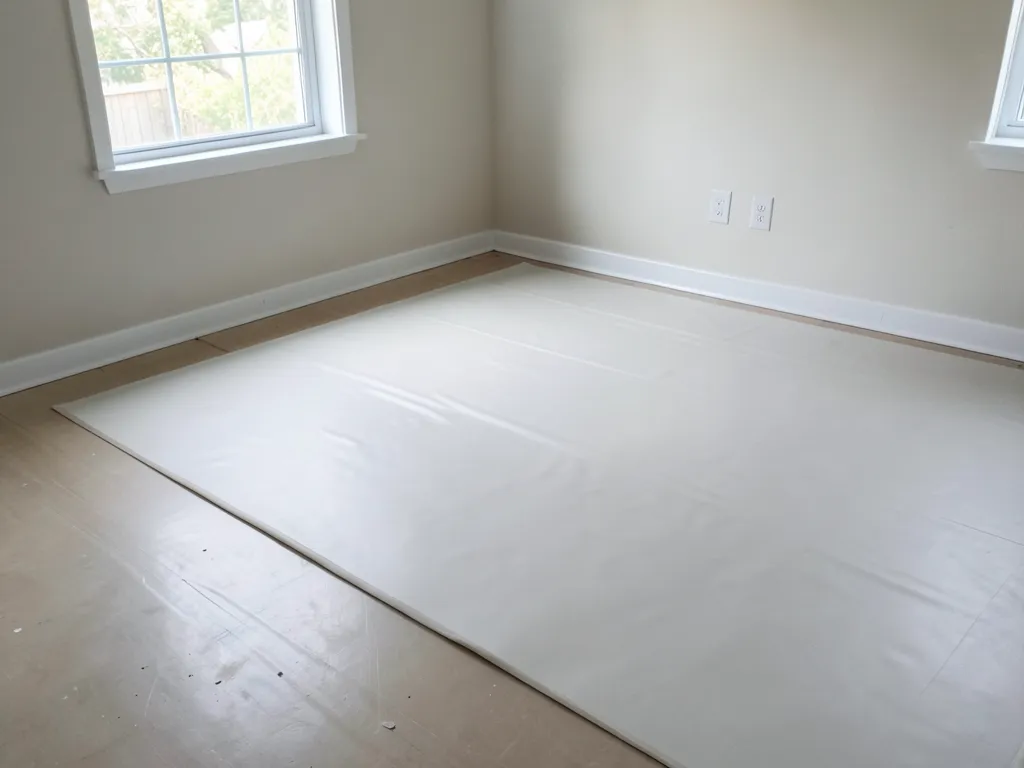
Next we address flatness. Large-format tile and plank-look porcelain demand a very flat plane — often no more than 1/8 inch of variation across 10 feet. We grind high spots, fill low spots with self-leveling underlayment, and repair any delaminated or crumbling concrete. Old adhesive, paint overspray, and curing compounds all have to come off, because nothing bonds to a contaminated surface.
Step 3 — Choosing the Right Underlayment or Membrane
Finally, we select the layer that separates your tile from the substrate's movement. This is where products like uncoupling membranes, crack isolation membranes, and cement backer boards earn their keep. They are not upsells — they are the reason a floor can flex underneath without transferring that stress into your tile.
Underlayment Options We Use in Oklahoma City Homes
- Uncoupling membranes: A dimpled polyethylene mat that lets the substrate move independently of the tile. Ideal for slabs on Oklahoma clay and for large-format porcelain panels.
- Crack isolation membranes: Thin, roll-on or sheet-applied layers that bridge existing cracks and prevent them from reflecting upward.
- Cement backer board: A dimensionally stable substrate for walls and floors where height allows, set in thinset and mechanically fastened.
- Self-leveling underlayment: A pourable cementitious layer that creates the flat plane modern tile requires — especially important for kitchens and open living areas.
- Waterproofing membranes: Essential in wet areas and behind shower tile installation, where a single pinhole can rot framing for years before you notice a stain on the ceiling below.
The Same Rules Apply Behind Your Shower Walls
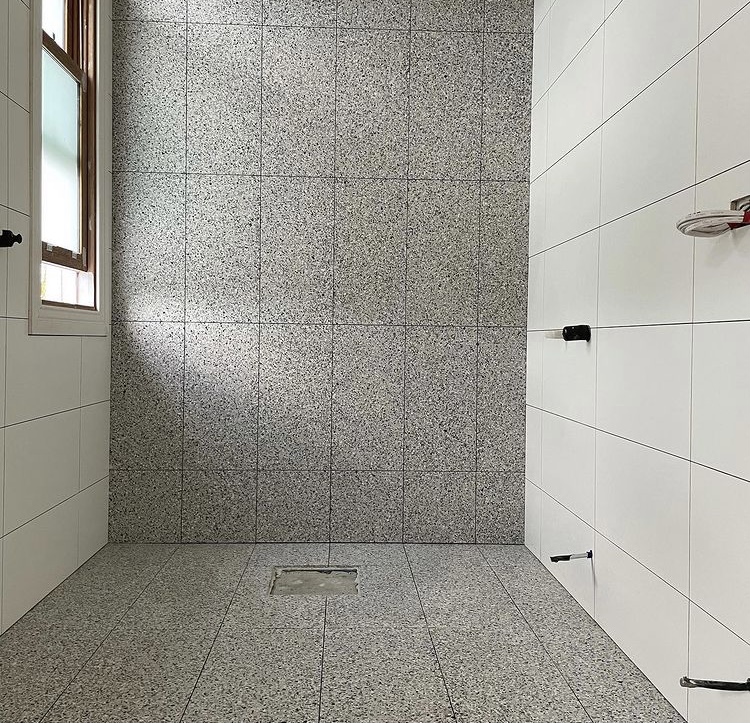
Everything above applies vertically as well as horizontally — just with more at stake. A failed shower floor is not a cosmetic problem; it is a water-damage problem. That is why we treat waterproofing as the centerpiece of every custom shower we build, not an afterthought. Bonded sheet membranes, foam shower trays, pre-formed curbs and niches, and carefully detailed seams and corners create a continuous watertight envelope behind the tile. If you have ever torn out a shower that smelled musty no matter how often you cleaned it, you have met a shower that was tiled but never truly waterproofed.
Our team is certified in Schluter KERDI shower systems, and we combine that knowledge with a genuine obsession over the details nobody sees. It is also why we can confidently offer a multi-service discount when you pair a shower project with new flooring — the prep work overlaps, and you save real money on a larger scope.
Seasonal Tile Installation in Oklahoma City
Timing matters more here than in most markets. In spring, heavy rains saturate the soil and drive up slab moisture, so we test for vapor transmission before setting tile on grade. In the dead of summer, thinset and grout cure fast, and we adjust mixing and working time accordingly. In winter, we avoid exterior installations during hard freezes and keep interior materials acclimated to room temperature before installation. Homes in Edmond, Norman, and Mustang that sit on newer post-tension slabs get special attention, because those slabs behave differently than older neighborhoods closer to downtown.
For outdoor spaces such as patios, porches, and walkways, freeze-thaw resistance is non-negotiable. Our exterior tile work uses frost-rated porcelain, flexible mortars, and proper drainage slopes so water never sits where it can freeze.
Warning Signs Your Floor Isn't Ready for Tile
- Hollow or drummy sounds when you tap the existing floor — a sign of delamination or a loose substrate.
- Visible cracks wider than a hairline in the slab, especially if they run wall to wall.
- Springy or bouncy floors in older homes near Bricktown and the Paseo District, where framing may date back a century.
- Uneven planes that would force you to build up thinset in thick layers — which weakens the bond.
- A history of popped or tenting tile already installed on the same surface.
- Any sign of moisture, efflorescence, or a musty smell near the base of walls.
If you recognize two or more of these, your project needs an experienced installer who will diagnose the substrate before quoting a price. If you are considering a large-format upgrade instead, our porcelain panel installation service pairs beautifully with a properly prepped and leveled substrate.
The Echo Tile and Stone Difference
Echo Tile and Stone is owner-operated by Randy Valadez, which means the person accountable for your project is on the job site — not managing a call center in another state. That personal stake is why our repeat and referral rate is what it is after more than two decades in the Oklahoma City market.
- Oklahoma City specialists: We install for our climate and our soil, not for a generic national average.
- Porcelain panel pioneers: Large-format panels are a rare skill locally, and we have the handling tools and experience to do them right.
- Shower waterproofing masters: The hidden layer gets the same attention as the visible one.
- True full-service tile: Floors, showers, backsplashes, exteriors, and commercial spaces — no job too big or complex.
- Premium materials + precision techniques: Top-tier products installed with meticulous methods.
- Emergency and on-call service: Weekends and urgent repairs included, unlike standard 9-to-5 shops.
- "Transform Your Floors, Redefine Your Space": We are not just laying tile — we are changing how your home feels.
Serving Oklahoma City and the Surrounding Metro
Our crews work throughout the metro, including South Oklahoma City, Moore, Norman, Edmond, Del City, Midwest City, Mustang, Tuttle, and Blanchard. Whether you are renovating a 1950s ranch house near the Oklahoma State Fairgrounds, updating a kitchen in Quail Springs, or finishing a walkout basement close to Will Rogers World Airport, the same prep-first standard applies. Curious whether we cover your street? Visit our service area page for the full list of communities.
And if you are wondering how preparation affects your overall budget, our team is always happy to walk you through what is included — no vague line items, no surprise change orders.
Schedule Your Free Oklahoma City Tile Estimate
If your floor is cracking, your grout is disappearing, or you are planning a new installation and want it done once and done right, start with a conversation. We will inspect your substrate, explain what we find in plain language, and give you a clear scope of work. Call Echo Tile and Stone at (405) 905-5982 or contact us online to schedule your free estimate. Your tile deserves a foundation that lasts as long as it does.


